
Understanding and Managing Child Anger
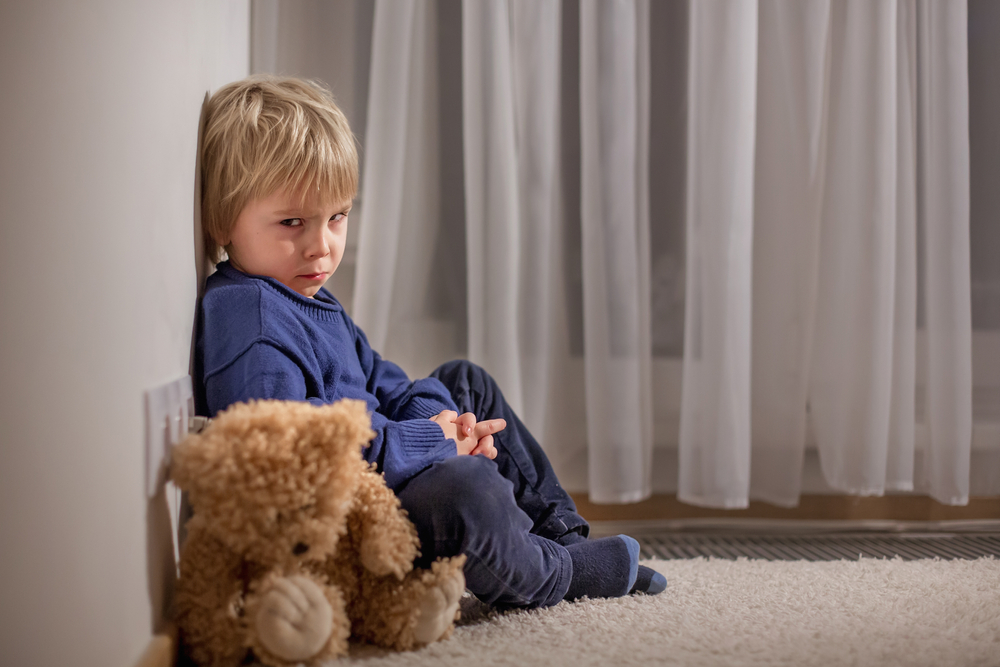

Anger is a natural emotion — even for children. Just like adults, children feel frustration, disappointment, jealousy, and stress. However, because they are still learning how to manage emotions, their anger may come out as crying, shouting, hitting, throwing things, or refusing to listen.
The key is not to stop children from feeling anger, but to teach them how to handle it in a healthy and positive way. With patience, understanding, and the right guidance, children can learn emotional control and develop strong coping skills.
Why Do Children Get Angry?
Understanding the reason behind the anger is the first step to managing it. Common causes include:
- Hunger or tiredness
- Difficulty expressing feelings
- Wanting independence
- Feeling ignored
- Overstimulation
- Changes in routine
- Struggles with sharing
Young children often lack the vocabulary to explain their emotions, so anger becomes their way of communicating.
Signs of Anger in Children
Anger may appear as:
- Tantrums
- Screaming or shouting
- Hitting or kicking
- Throwing objects
- Refusing to cooperate
- Sulking or withdrawing
Recognizing these signs early helps adults respond calmly and effectively.
Practical Ways to Deal with an Angry Child
1. Stay Calm First
Children mirror adult behavior. If you react with anger, the situation can escalate. Take a deep breath and respond calmly.
2. Acknowledge Their Feelings
Let them know their emotions are valid. For example:
- “I see that you are upset.”
- “You look really angry right now.”
When children feel understood, they calm down faster.
3. Teach Emotional Vocabulary
Help children name their feelings:
- Angry
- Frustrated
- Sad
- Disappointed
This helps them express emotions with words instead of actions.
4. Offer Healthy Alternatives
Teach safe ways to release anger:
- Deep breathing
- Counting to 10
- Drawing their feelings
- Talking about what happened
- Taking a short break
5. Set Clear and Consistent Boundaries
It’s important to be firm about unacceptable behavior:
- “It’s okay to be angry, but it’s not okay to hit.”
Consistency helps children understand limits.
6. Identify Triggers
Notice patterns. Does anger happen before meals? After screen time? During sharing? Understanding triggers helps prevent future outbursts.
Preventing Anger Outbursts
Maintain Routine
Predictable schedules make children feel secure.
Ensure Proper Sleep and Nutrition
Tired or hungry children are more prone to anger.
Encourage Physical Activity
Outdoor play helps release excess energy and reduces frustration.
Model Calm Behavior
Children learn by watching adults handle stress.
Role of School in Managing Anger
A supportive school environment plays a major role in emotional development. Teachers can:
- Create a safe and positive classroom
- Encourage sharing and cooperation
- Use storytelling to teach emotional control
- Provide group activities to build patience
- Guide children through conflict resolution
When children feel safe and valued, their emotional regulation improves.
How AK Smartshala Supports Emotional Growth
At AK Smartshala, recognized as one of the best playschools in Ghaziabad, emotional development is given equal importance as academics. Teachers focus on:
- Positive discipline techniques
- Play-based emotional learning
- Calm and caring communication
- Personalized attention
- Building self-control and empathy
Through structured activities, storytelling, role-play, and guided interaction, children learn how to manage anger and express feelings in healthy ways.
When to Seek Extra Help
While occasional anger is normal, consider seeking professional guidance if:
- The child becomes aggressive frequently
- Anger lasts for long periods
- The child struggles socially
- Outbursts interfere with daily life
Early intervention can make a significant difference.
Final Thoughts
Anger is not a bad emotion — it is a signal. It tells us something needs attention. Instead of punishing anger, guide children to understand and manage it. With patience, love, and consistent guidance, children can develop emotional control and resilience.
By working together — parents and teachers — we can help children grow into calm, confident, and emotionally balanced individuals ready to face life’s challenges successfully.
Your Might Also Like
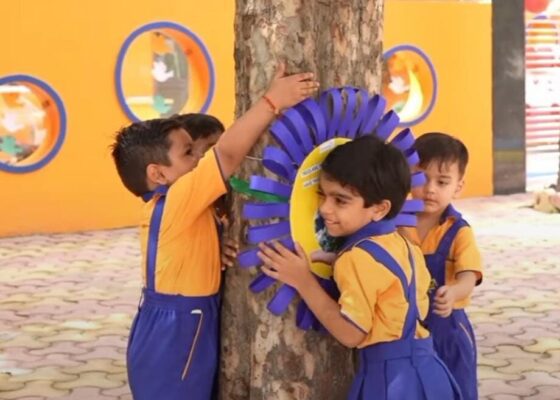
Group activities play a vital role in a child’s overall growth and development. During early childhood, children learn best through…
