
How to Support Shy Kids: A Complete Guide for Parents and Teachers
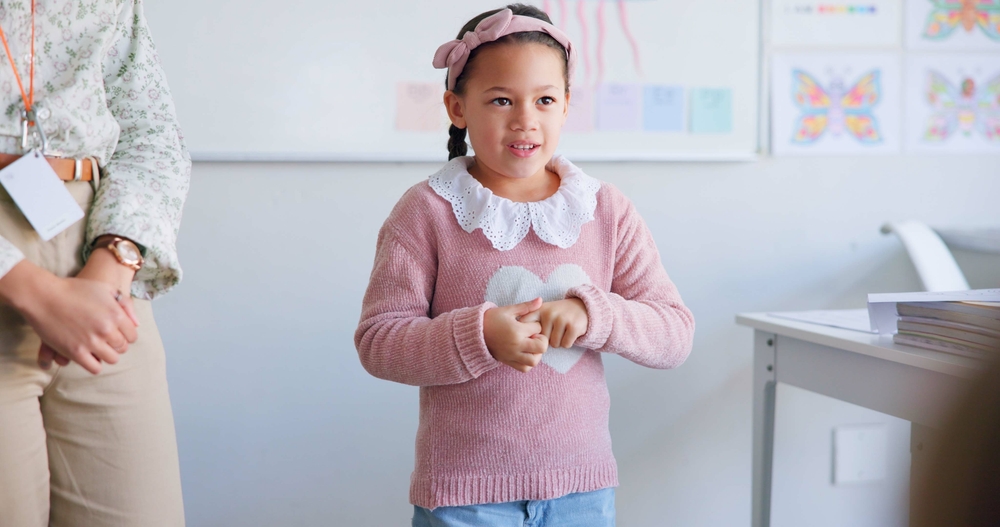

Every child is unique. Some children are naturally outgoing and expressive, while others are quiet, reserved, and shy. Shyness is not a weakness — it is simply a personality trait. However, shy children may need extra support to feel confident, express themselves, and participate comfortably in social situations.
Understanding how to gently support shy kids can help them grow into confident, emotionally secure individuals. With the right guidance at home and school, shy children can thrive socially, emotionally, and academically.
Understanding Shyness in Children
Shy children may:
- Avoid eye contact
- Speak softly or very little
- Feel nervous in new situations
- Stay close to parents in social gatherings
- Take time to warm up to new people
Shyness is often linked to temperament. Some children are naturally cautious and prefer observing before participating. This is completely normal. The goal is not to change their personality but to help them feel safe and confident.
Why Supporting Shy Kids Is Important
If not gently guided, shy children may:
- Struggle to make friends
- Avoid classroom participation
- Miss opportunities to showcase their talents
- Develop low self-confidence
But with encouragement and patience, shy children can develop strong emotional intelligence, deep empathy, and meaningful friendships.
Practical Ways to Support Shy Kids at Home
1. Avoid Labeling Them as “Shy”
Constantly calling a child “shy” can make them believe it is a limitation. Instead, use positive language like:
- “You like to observe first.”
- “You take your time to feel comfortable.”
2. Encourage Small Social Steps
Start with small interactions:
- One-on-one playdates
- Short conversations
- Small group activities
Gradual exposure helps children feel less overwhelmed.
3. Build Confidence at Home
Give your child simple responsibilities like:
- Helping set the table
- Choosing clothes
- Sharing a story at dinner
Small achievements boost confidence.
4. Practice Role-Playing
Role-play social situations such as:
- Introducing themselves
- Asking to join a game
- Saying “thank you”
This prepares them for real-life situations.
5. Celebrate Effort, Not Perfection
Appreciate their attempts, even if small:
- “I’m proud of you for saying hello.”
- “You did great sharing your toy.”
Positive reinforcement strengthens confidence.
Supporting Shy Kids in School
Teachers play a crucial role in helping shy children feel comfortable in a classroom setting.
1. Create a Safe Environment
A warm and welcoming classroom reduces anxiety and fear.
2. Encourage Participation Gently
Instead of forcing children to speak in front of everyone, teachers can:
- Ask questions in small groups
- Give them time to prepare
- Allow them to share in pairs first
3. Promote Group Activities
Group play builds social skills naturally. Activities like storytelling, art, music, and role-play help shy children express themselves creatively.
4. Build Strong Teacher-Child Bonds
When a child trusts their teacher, they feel secure enough to participate more actively.
Signs of Positive Progress
With proper support, shy children begin to:
- Initiate small conversations
- Make friends gradually
- Participate in activities
- Show improved confidence
- Express emotions openly
Remember, progress may be slow — and that’s perfectly okay.
When to Be Concerned
While shyness is normal, parents should seek guidance if:
- The child shows extreme fear in social situations
- Avoids all interaction consistently
- Experiences frequent anxiety or physical symptoms (like stomach aches before school)
Early support makes a big difference.
The Role of a Nurturing Playschool
A supportive playschool environment helps shy children grow at their own pace. Structured routines, friendly teachers, and interactive activities make children feel secure and valued.
At AK Smartshala, recognized as one of the best playschools in Ghaziabad, teachers focus on personalized attention and emotional support. Through play-based learning, small group interactions, storytelling, and creative activities, children are gently encouraged to express themselves and build confidence.
AK Smartshala believes that every child shines in their own time. With care, patience, and positive reinforcement, even the shyest child can grow into a confident and happy learner.
Final Thoughts
Shyness is not something to “fix” — it is something to understand and nurture. With love, encouragement, and the right environment, shy children can develop strong self-esteem and meaningful social connections.
By supporting them step by step, both at home and in school, we help them discover their voice and build the confidence they need for lifelong success.
Your Might Also Like
Anger is a natural emotion — even for children. Just like adults, children feel frustration, disappointment, jealousy, and stress. However,…

Group activities play a vital role in a child’s overall growth and development. During early childhood, children learn best through…
